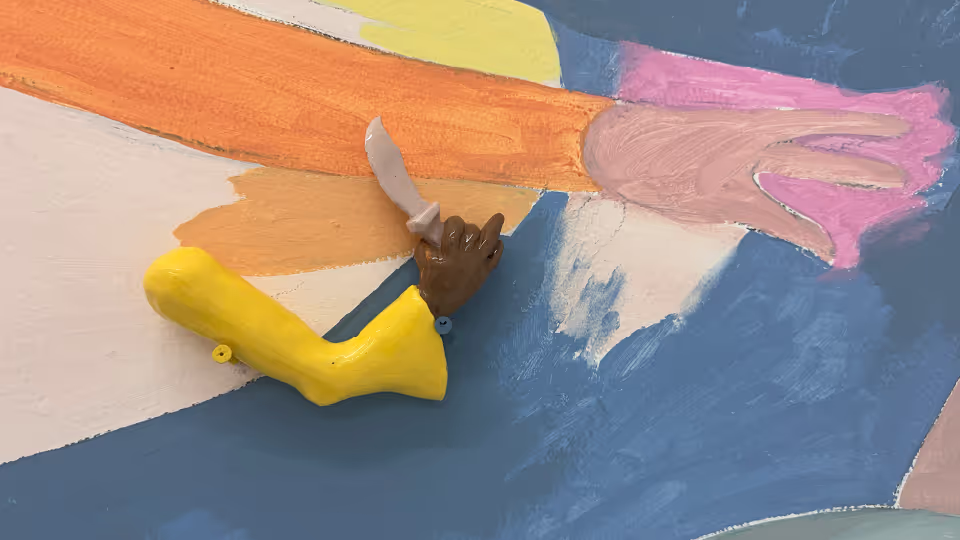







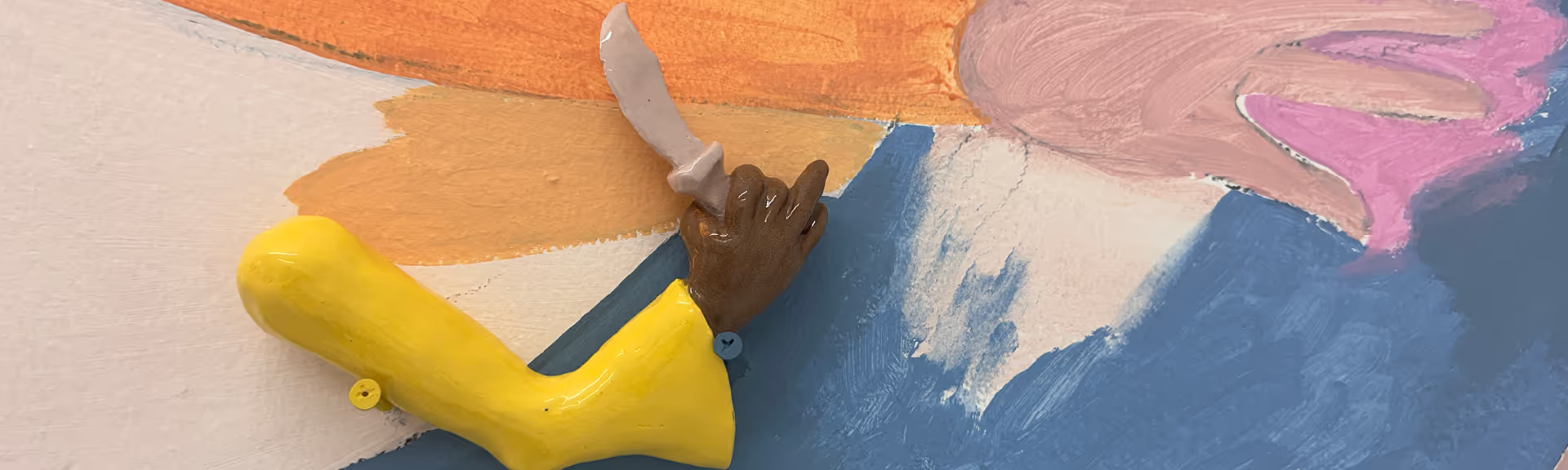
The gentle color palette and soft lines immediately draw you into Gonzalo Garcia’s paintings. Details such as ceramic arms — reminiscent of the kitchy flying ducks popular in 1970s living rooms — They seem sweet, safe, welcoming. It’s not until you spend some time with the work that it becomes clear that he almost obsessively explores themes surrounding death, vulnerability, pop culture, and violence.
The inviting palette is Garcia’s way of making sure viewers do engage with his work, rather than have a knee-jerk reaction to turn away from violent color choices.
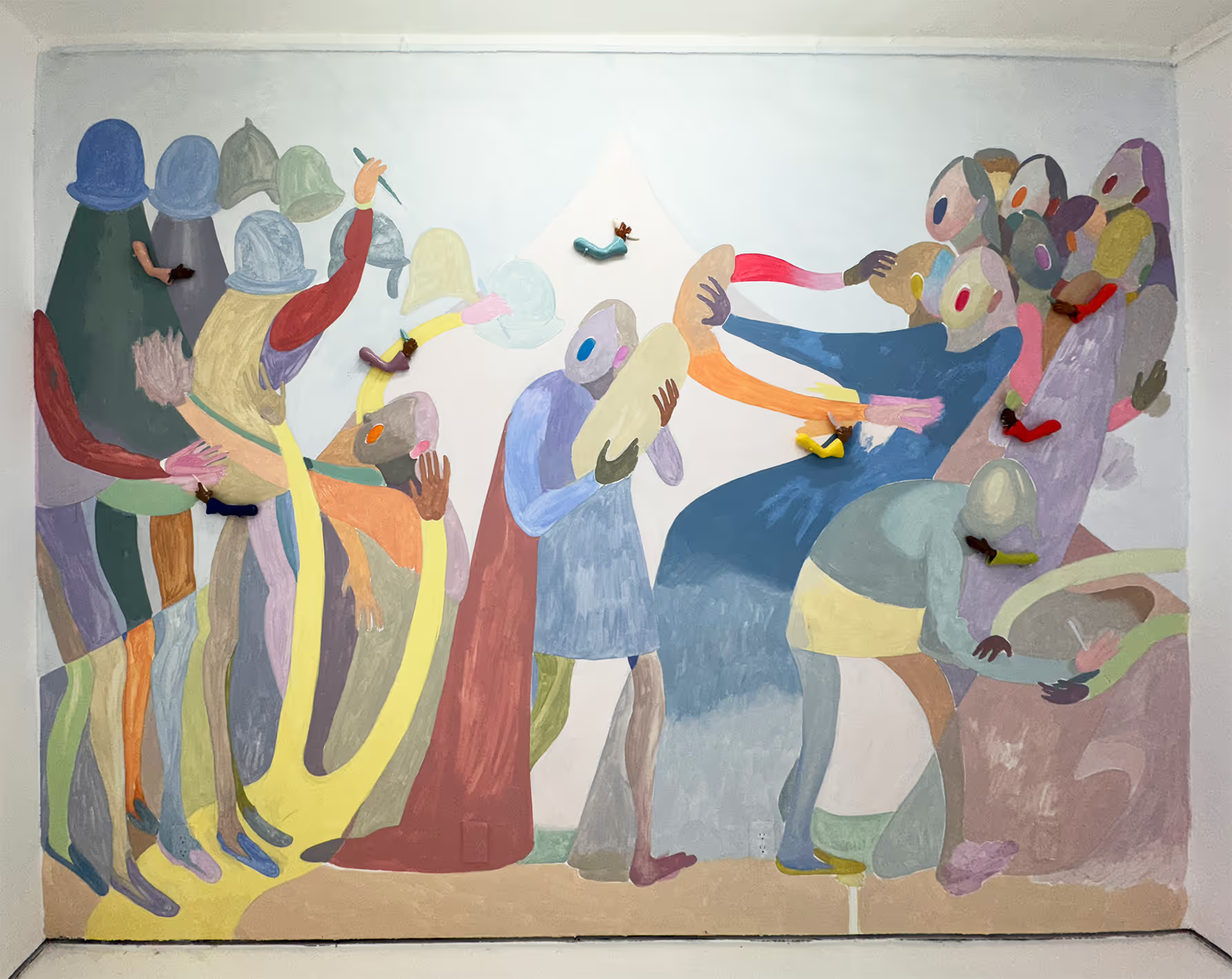
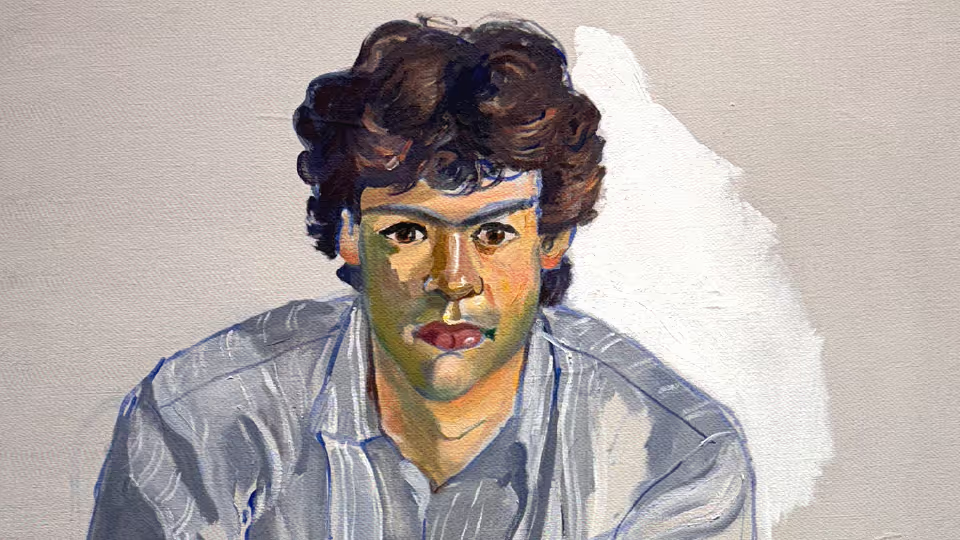
Based in Mexico City, figurative painter Garcia has long used the human body as a theme of his artistry, initially rooted in anatomical research before evolving into a more abstract, conceptual interpretation of physicality. What began as a means of exploring homosexuality has transformed into a visual love letter to the body, transcending masculinity and femininity, embracing the tender and the disturbing in equal measure.
His art questions the influence of Western and European traditions—ranging from still lifes and Flemish painting to medieval works—and repositions these legacies within the Mexican context. In his show at CAM Galeria in Palanco, CDMX in September 2025, García expanded his exploration, layering new concerns onto his ongoing investigation of identity and pictorial history.
As told to me by Marina, CAM’s curator and artist liaison, Garcia relocated frequently as a child. In every apartment, he observed the space’s wall coverings as a sign of deterioration. This is, perhaps, why simplicity so appeals to him (and why each work begins with a drawing: “the most generous medium,” according to Marina), laying the foundation for the language of painting. Garcia has ultimately created a body of work that serves an extension of his own experience — both lived and studied.
Cimena
Los Cachorros is a 1973 Mexican film directed by Jorge Fons with a screenplay by Eduardo Luján. Based on the novel of the same name by Mario Vargas Llosa, the story follows Cuéllar, a middle-class boy who suffers a brutal accident in childhood: a dog named Judas mutilates his genitals at school. This event radically changes the course of his life and marks him irreversibly. Cuéllar is not only physically castrated, but also symbolically so, by an exclusionary society that does not accept other ways of being a man. The consequences of this are violent yet hidden, both within the family home and beyond.
Castration — both physical and symbolic — emerges to question patriarchal models of masculinity, as well as the fear of losing the power historically upheld by elites.
The Bouquet
Another of Gonzalo’s long-standing interests has been the representation of floral arrangements, tied both to the history of art and to ornamentation, and therefore to identity. As a colonial legacy and through the Porfirian taste for vases with flowers as symbols of elegance, refinement, and good taste, the bouquet became an aspirational symbol in Mexico: to have flowers at home not only beautified the space but also demonstrated order, decorum, cleanliness, and aesthetic sensitivity — the sensitivity of the wealthy.
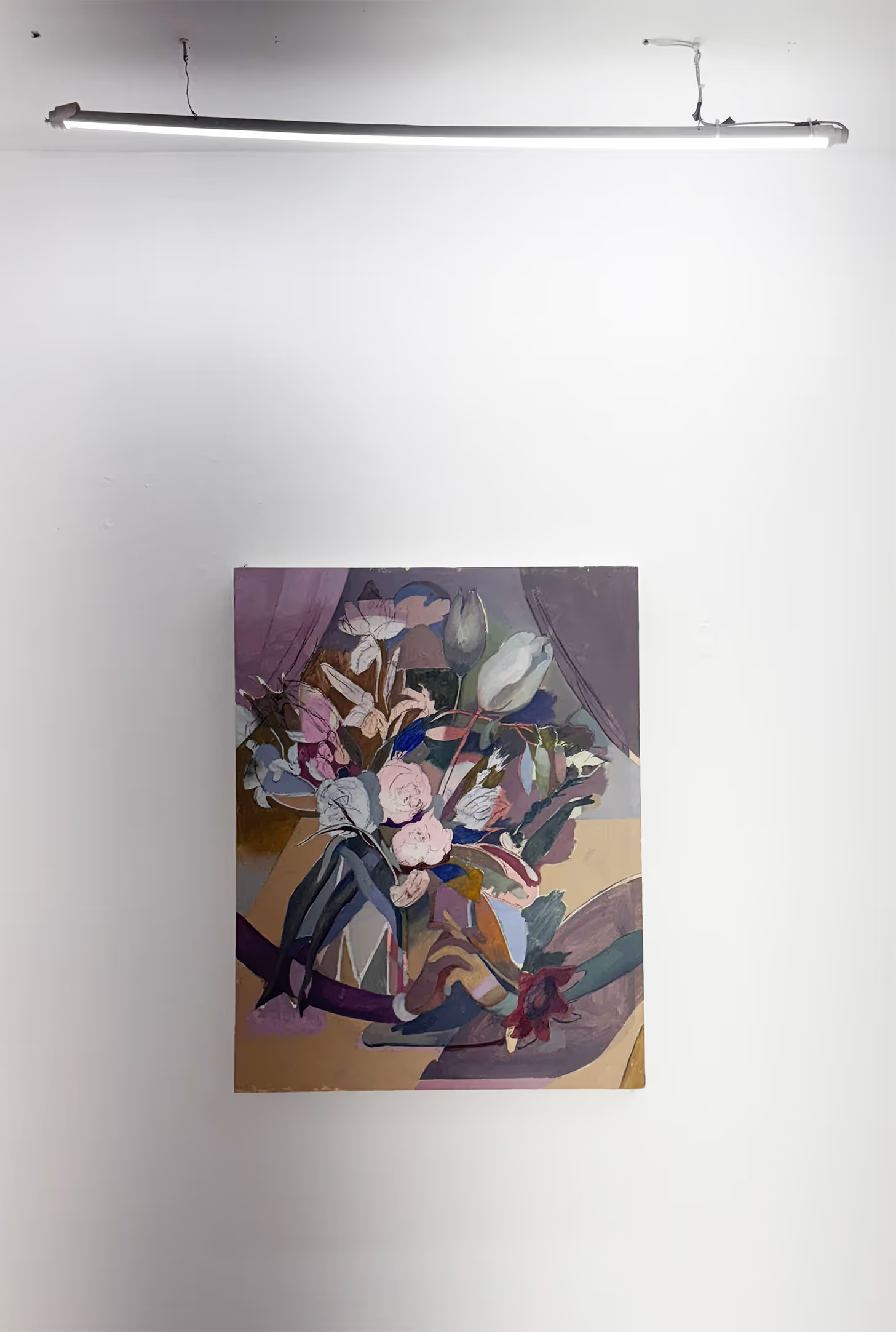
Mexican cinema also depicted women arranging flowers as part of their domestic role, as well as symbols of status, taste, and refinement.
In Gonzalo’s work, the floral bouquet is a reminder that nothing is what it seems, and that from aesthetics and beauty one can speak of transformation and death without fearing the worst. In the films he draws inspiration from, bouquets appear not merely as decorative elements but as symbols of the upper class and its disconnection from social reality — tools to maintain things “as they are.”
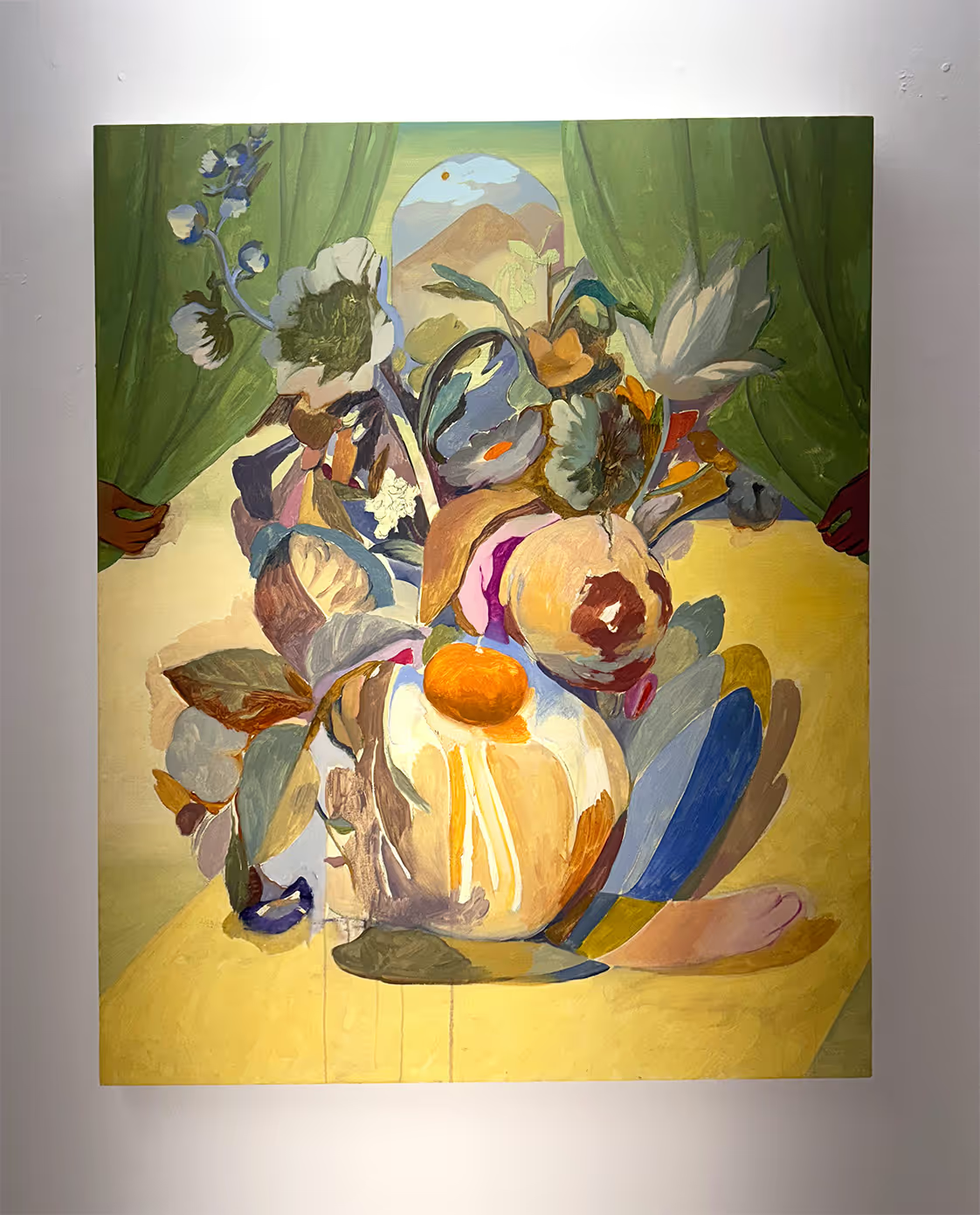
Garcia has long honed his focus on identity. He has expressed a desire to approach image-making from new perspectives, and his recent works are evidence of this. His exhibition at CAM Galería featured wallpaper works, paintings, and drawings — juxtaposing the masculine and the feminine, exploring the ramifications of power alongside softness in the palette.