


“Most of my work is based on feeling, like, what is it that I want to explore?” Jagriti Khirwar says from her bright, ceramics-filled studio in Los Angeles. “My style is evolves with the project that I'm working on or with different subject matter. I am a little bit of a chameleon, I can adapt to different styles based on what is needed by the client. I can learn a bigger, wider range to do something they need.”
That being said, her work has a visual cohesion that unites her entire portfolio. “When I work on my website and arrange it in a way that it all flows together, I'm like, oh, these colors all really do work together, and the shapes work together. Sometimes I find working in one style limiting. So I want to challenge myself to have a wider range in my style and kind of push at the edges of what I’ve done before.”
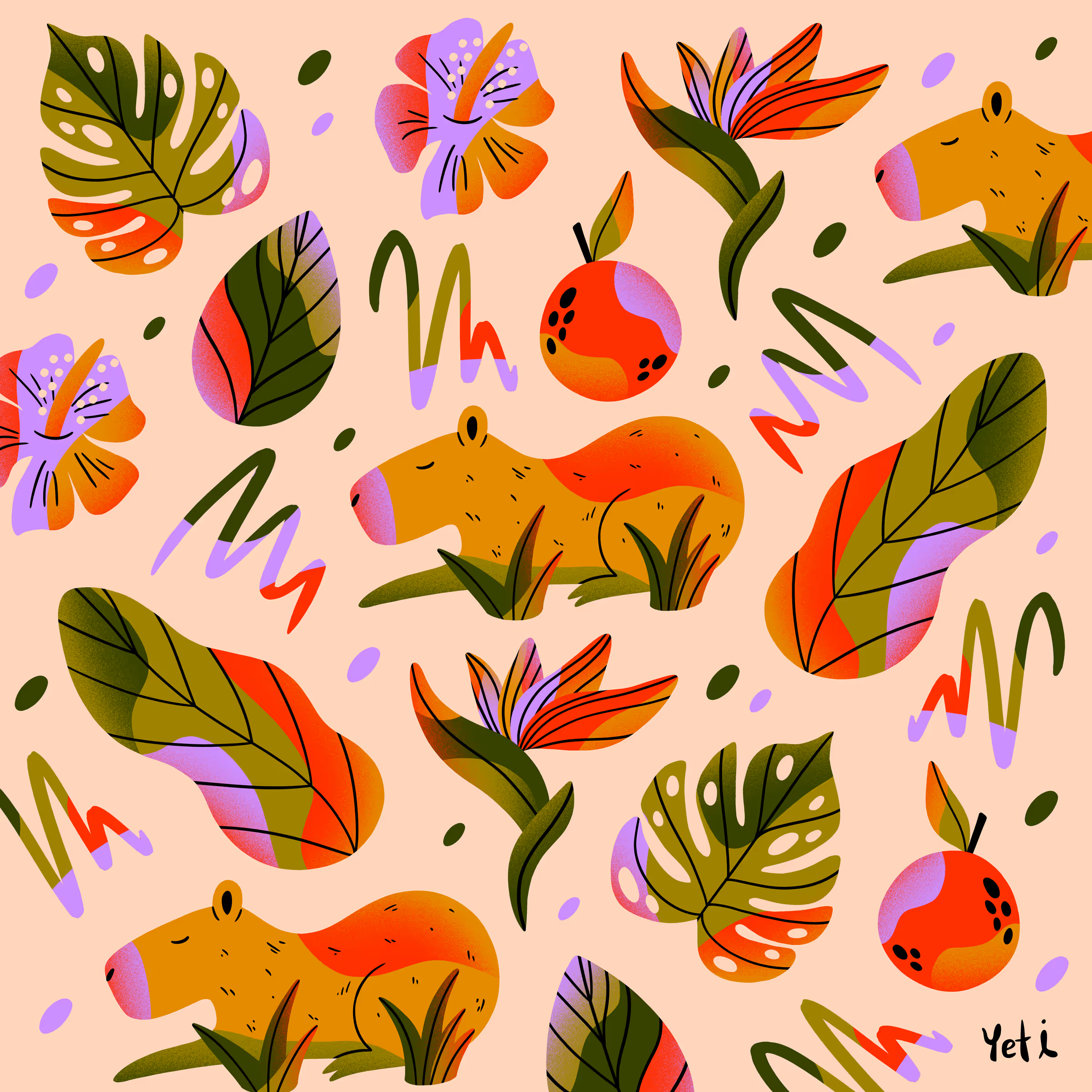
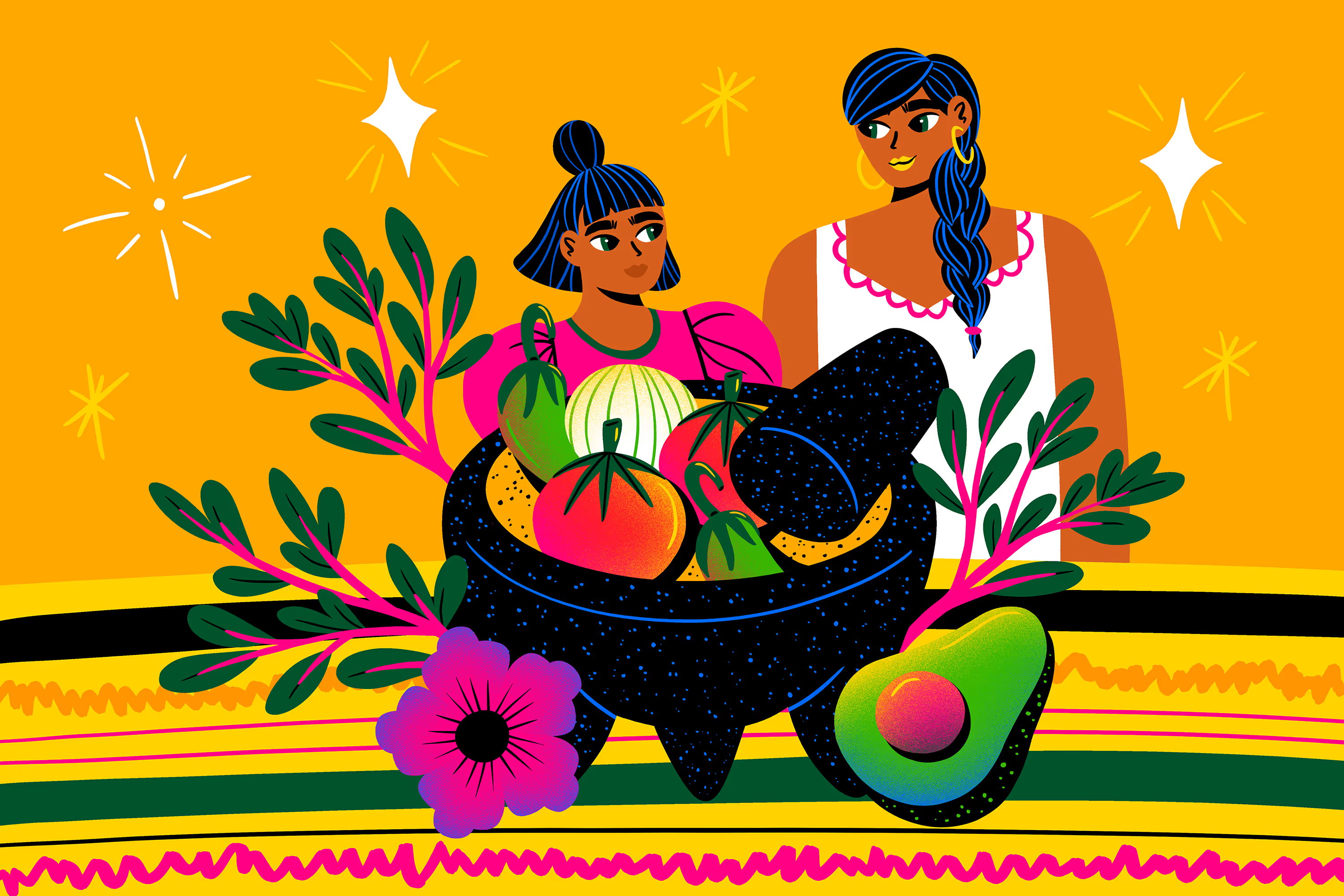
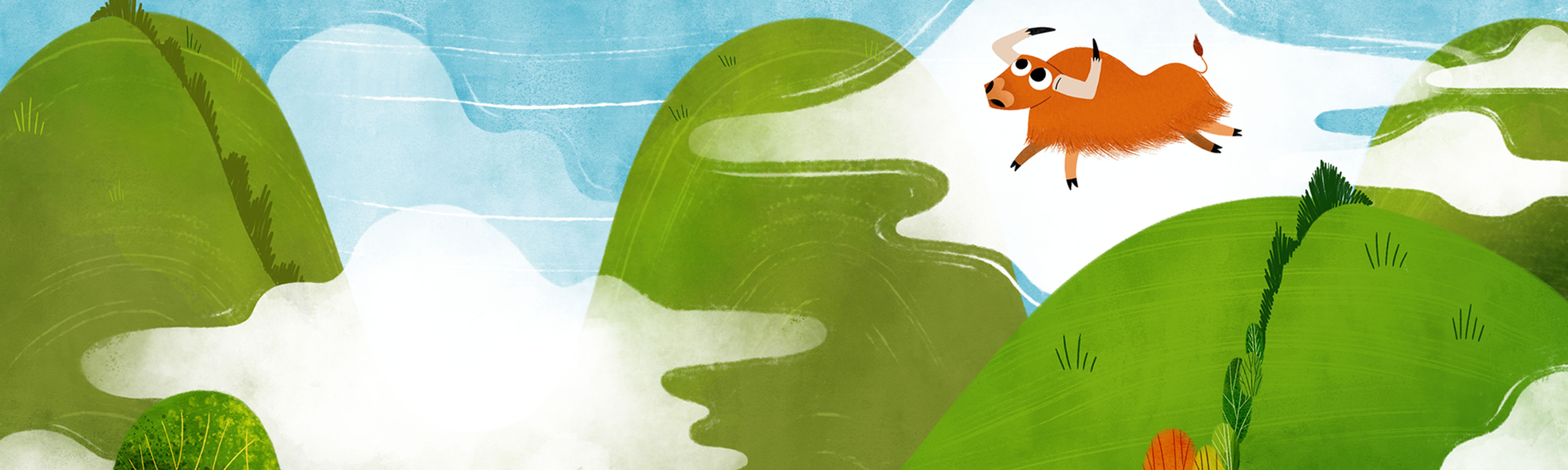
Jagriti particularly loves working on projects for children, and has developed a style that appeals to a young audience without talking down to them. “The way I draw for younger kids is how I would have liked things to look when I was a child,” she says.”It's colorful, it's engaging. But at the same time, there is a sense of maturity and intelligence to it. Big expressions and quirky ideas. I think kids can absorb creative ideas much better than we give them credit for.”
.jpeg)
Even in the world of quirky ideas, Jagriti’s work is carefully balanced. She invites you in to harmonious scenes that have an edge that makes them incredibly engaging — like the twerking hot dog tucked in the corner of her recent project for Giphy.
Jagriti moved to LA after studying at the Savannah College of Art and Design (SCAD), and immediately found a sprawling museum culture to immerse herself in. “The museum culture is really big here,” she says. “When I first moved to LA, I was wearing a SCAD museum shirt, someone saw it and asked about it, which was the first time I realized how much people love going to museums here. People love art in LA, it’s great.”
“Museums I find very inspiring,” she continues. “I love absorbing all the art from different times, whether it's Egyptian art or Indian art or even more modern. It's really inspired my work. It started back in Savannah where I used to work at the museum. There was this exhibition by Cornelia Parker where she had used an industrial press to flatten utensils and create a Rorschach ink blot-esque pattern, but in metal, which was suspended by thin strings so it was floating. She had created mirror image patterns out of silverware.”
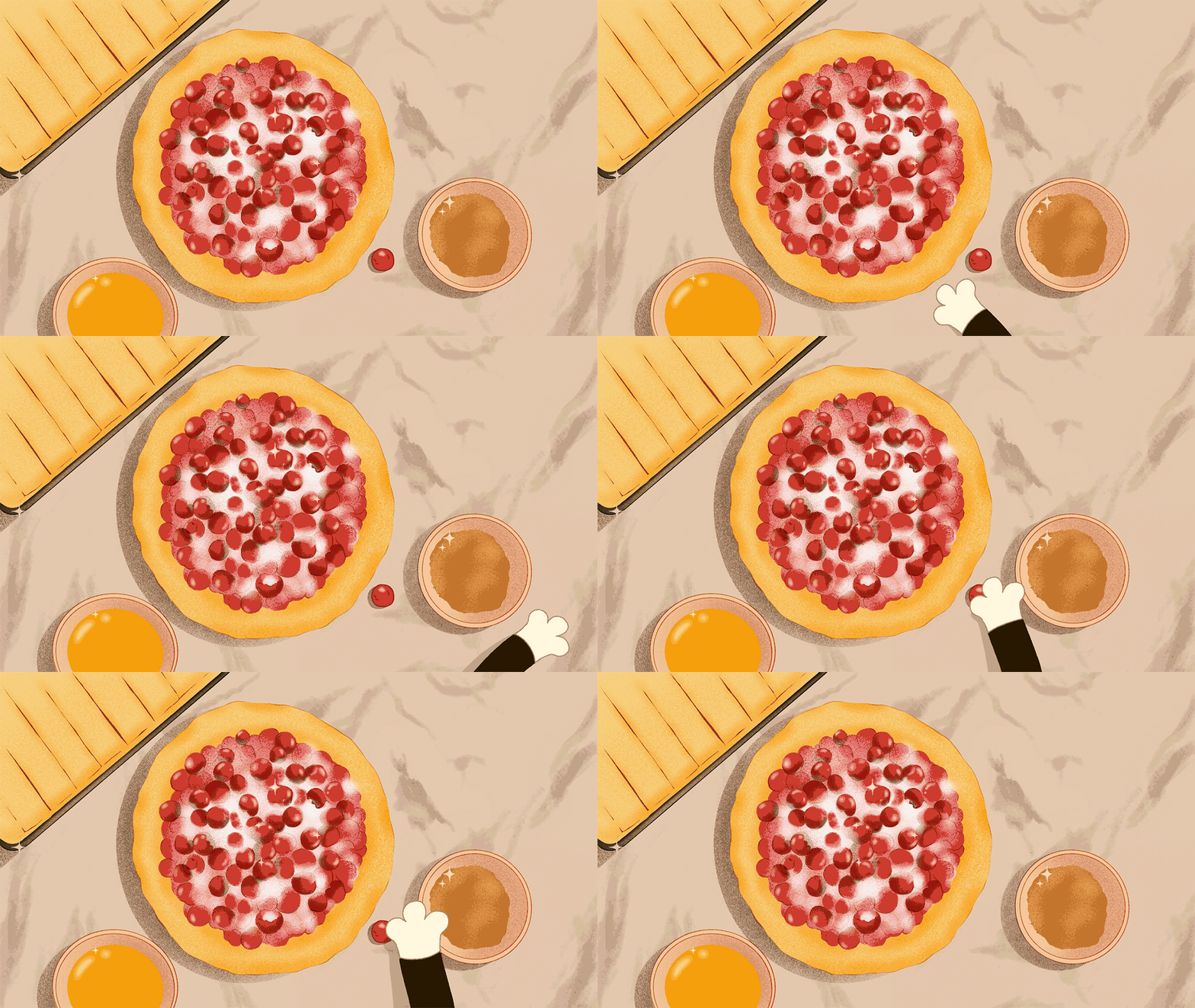
This exhibition inspired one of Jagriti’s favorite college projects. “At the time, I was in an experimental animation class,” she continues. “It was all about getting your hands dirty, working in the studio — doing all kinds of sketching and film and experimental animation stuff. And since I was looking at this exhibition every day, I decided I wanted to do something with Rorscharch plots. So I made cards with ink blots to see if I could get an animation out of it. And I was really happy with how it turned out because it's something you can't control, right? You’re just dropping ink on a piece of paper and folding it to get a print, so you really can't control its movement. Once I scanned it and timed it to music, there was something really interesting about it. It's really about just the process of seeing whether these materials can work for you, and being in the moment.”
Examining ancient decorative ceramics in LA museums has inspired Jagriti’s current project, too. “I see these beautiful vases — Persian ceramics, Greek, Roman — with illustrations on them. I always find myself thinking that so many of the graphic styles we think are so new and contemporary has always existed in some form, like the flattened, expressive graphic images on these vases. So that informed an idea for me — what if I do something like that on ceramics? I’m creating a really big vase to see if I can get motion across with illustrations on it while it’s spinning on the wheel.”